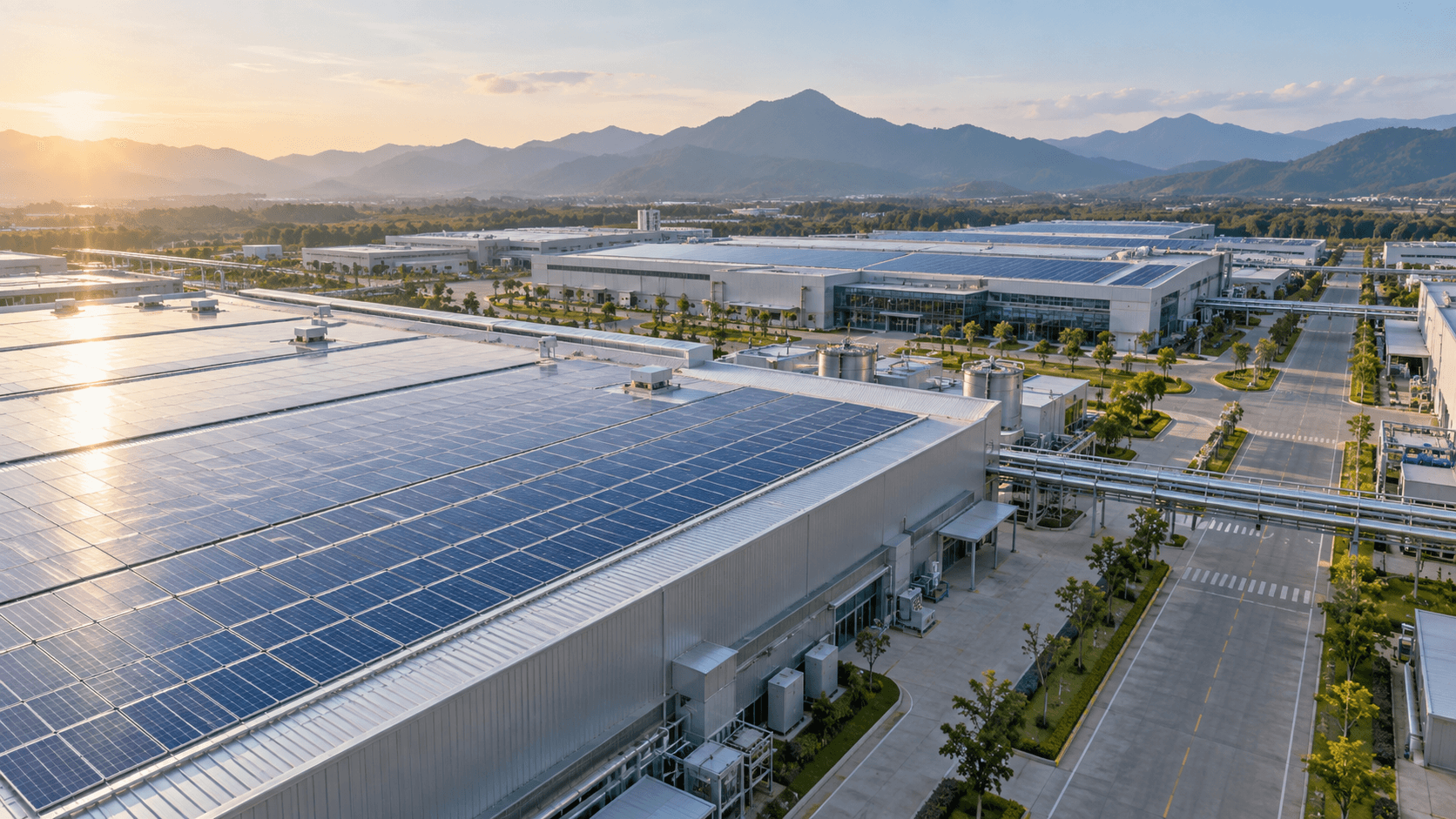

Heavy rain and flooding call for extra care around solar installations. Their electrical equipment can present risks when exposed to water or moisture.
VTech Energy & Solution shares the following precautions for homes, buildings and industrial facilities with solar systems.
1. Do not touch flooded electrical equipment
Do not touch inverters, electrical enclosures, circuit breakers, wiring or other electrical equipment in flooded areas. Electrical leakage and electric shock may occur.
2. Do not inspect rooftop panels yourself
Rain and flooding can make roofs slippery and increase the risks of working at height. Leave inspections to qualified specialists.
3. Keep away if floodwater reaches electrical equipment
Do not approach a breaker or attempt to isolate the circuit yourself when the equipment or surrounding area is wet or flooded. Contact the electricity utility or a suitably qualified electrician for safe assistance.
4. Solar DC circuits may remain live after AC shutdown
Solar panels can generate direct-current (DC) voltage while exposed to light. Switching off an AC breaker does not mean that DC equipment and wiring are free of voltage.
Do not approach equipment to collect information
Where equipment or the surrounding area is flooded, avoid contact and do not enter to photograph, open cabinets or try switching the system. Use information already available and contact the electricity utility or installer from a safe area. This guidance is not a model-specific switching sequence.

5. Arrange an inspection before restarting
After floodwater recedes, have a qualified specialist inspect the panels, inverter, electrical enclosures, wiring, connections, earthing and protective equipment before power is restored to the system.
Put safety first
Safety takes priority over system operation. If electrical equipment has been flooded, do not put yourself at risk by inspecting or repairing it yourself.
VTech Energy & Solution encourages everyone to follow official warnings and prioritise personal safety and the protection of property.
Related information: Professional system inspections · Contact VTech
Safety references
These are general precautions, not a model-specific switching procedure. Follow guidance from your electricity utility and installer, stay away from flooded equipment, and arrange qualified assessment before returning a system to service.
Do not restart a system simply because water has receded
A dry exterior does not establish that equipment and wiring are ready to operate. Arrange qualified assessment before returning the system to service and follow utility and installer guidance. Do not assume that disconnecting one part makes every other part of a solar installation free of voltage.
Follow guidance for your own area
Check notices from local authorities and the electricity utility serving your location. For an assessment, share known impacts from a safe position and any existing system information. Keep documentation and contact details accessible, and put people's safety ahead of inspecting equipment or recovering property.